أسباب تفوق النهج التعليمي على محاكاة الهجمات
أصبحت عمليات محاكاة التصيد الاحتيالي مكونا معياريا في برامج التدريب على مكافحة التصيد. وتتضمن هذه المحاكات إرسال رسائل بريد إلكتروني للموظفين تُحاكي التكتيكات التي يستخدمها مجرمو الانترنت لخداع الأفراد ودفعهم للكشف عن معلومات حساسة أو الضغط على روابط ضارة. ويتم تقييم الموظفين بناءً على استجاباتهم لهذه الرسائل المحاكية للتصيد، وتحديداً لو قاموا بالضغط على رابط ما أو قدموا أي معلومات حساسة.غير أن هذا النهج يعاني من عيوب عديدة، ولا يرقى لمستوى فعالية النهج التعليمي الشامل لمكافحة التصيد الاحتيالي.
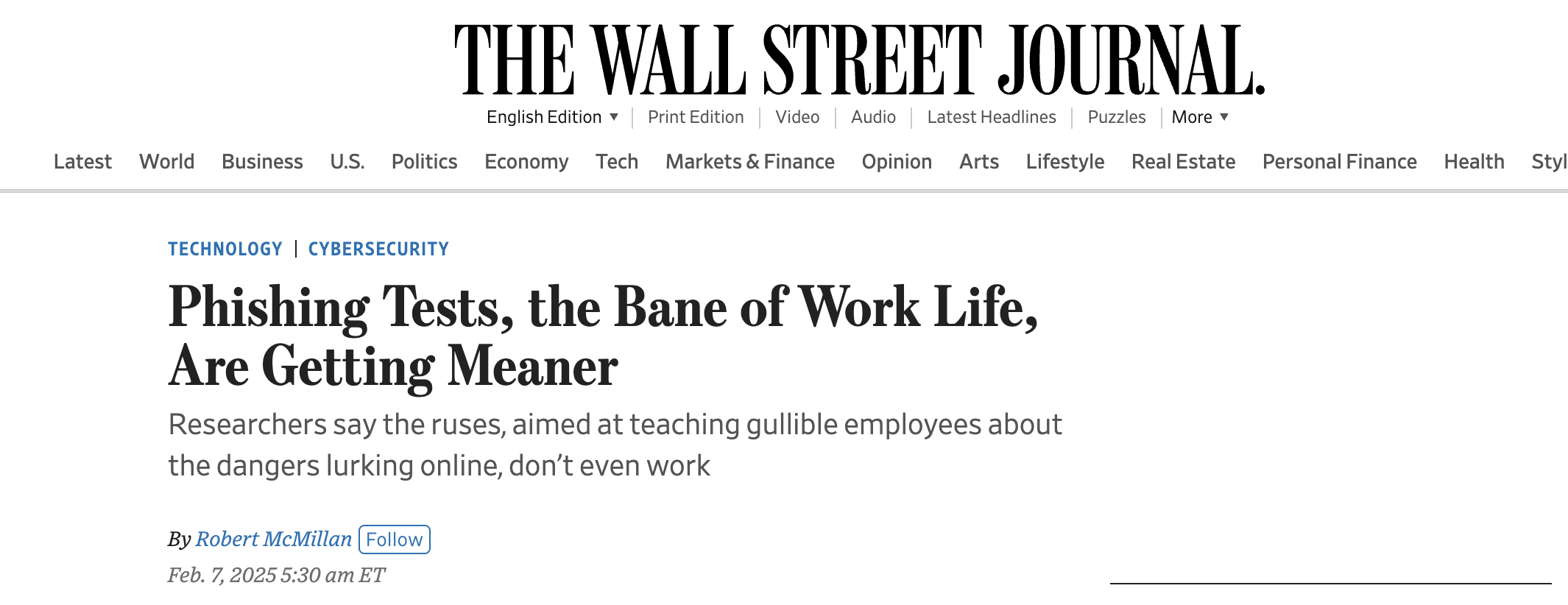
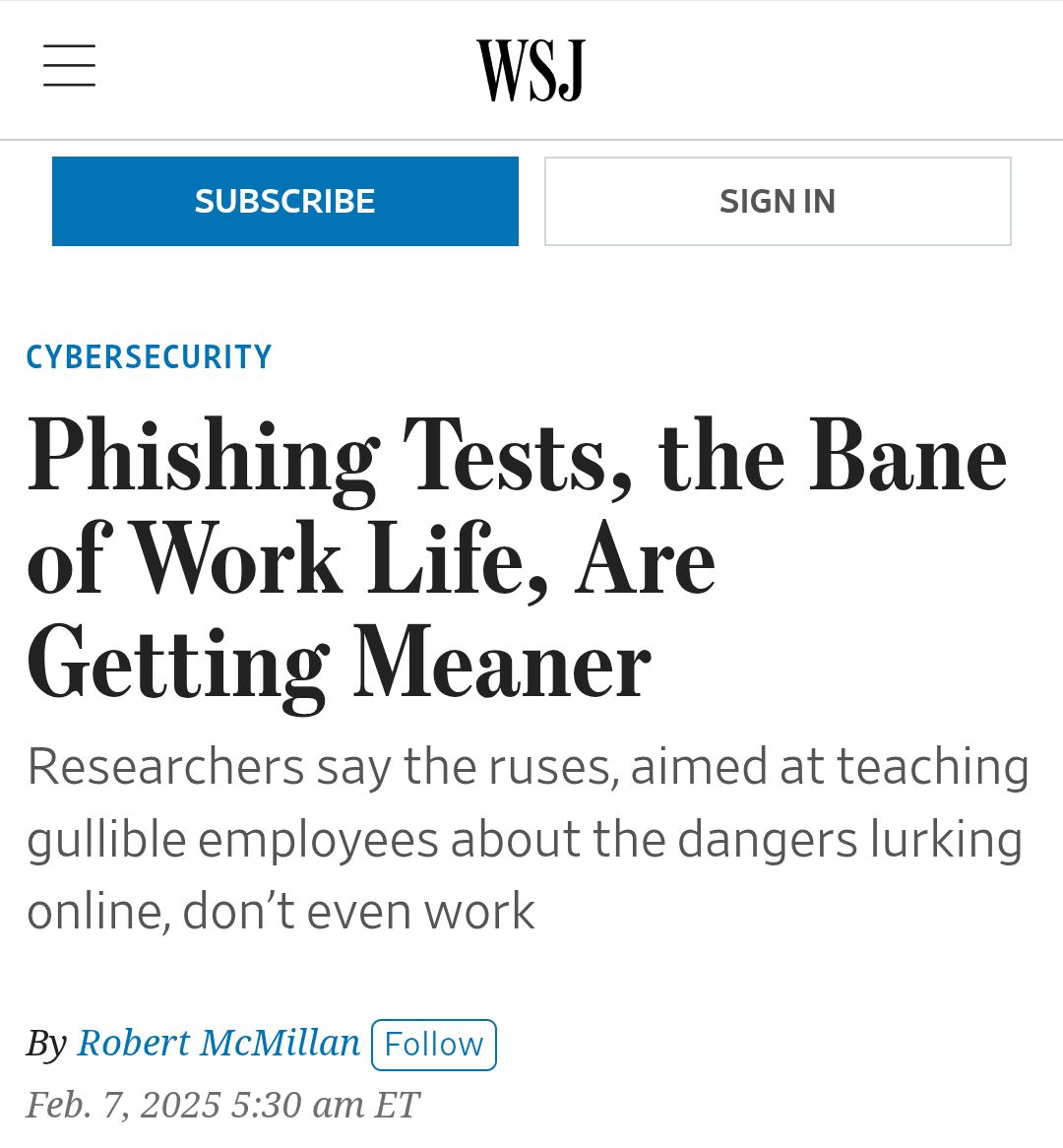
مشكلة تجارب محاكاة التصيد الاحتيالي
على الرغم من الانتشار الواسع لعمليات محاكاة التصيد الاحتيالي، إلا أنها تنطوي على عدة مشكلات ينبغي على المنظمات أخذها بعين الاعتبار:
- خلق حالة من التوتر وانعدام الثقة: من المحتمل أن يتولد لدى الأفراد توتر أو انعدام ثقة تجاه المراسلات الإلكترونية، بما في ذلك الرسائل الموثوقة، وهو ما ينعكس سلبا على كفاءتهم ويرفع من حدة الضغوط النفسية في العمل.
- الاقتصار على منصة البريد الإلكتروني: تقتصر أغلب برامج محاكاة التصيد على مواجهة مخاطر البريد الإلكتروني، مع إغفال قنوات التواصل البديلة كالرسائل النصية وتطبيقات المحادثة وشبكات التواصل الاجتماعي.
- شعور زائف بالأمان: إن تمكن الأفراد من تحديد اختبارات التصيد بنجاح قد يمنحهم طمأنينة خادعة تجاه جاهزيتهم الأمنية.
- المبالغة في الاعتماد على معدلات النقر: التركيز الحصري على استجابة الأفراد بالنقر على رابط من عدمه قد يحجب رؤية أبعاد هامة أخرى تتعلق بمدى إدراكهم لمخاطر التصيد.
- تراجع الحساسية تجاه التهديدات: قد يتسبب تكرار إرسال رسائل التصيد الوهمية في تراجع الحساسية تجاه التهديدات.
- التركيز على العقاب بدلا من الوقاية: قد تتسبب محاكاة التصيد في خلق ثقافة يسودها الخوف، مما يجعل الأفراد أكثر تركيزا على تجنب العقاب بدلا من التركيز على التعلم.
أكدت الأبحاث أن حملات محاكاة التصيد الاحتيالي لا تدرب الناس بشكل فعال على تحديد هجمات التصيد الاحتيالي. إن دراسة شارك فيها 14000 مشارك أظهرت في الواقع تأثيرا عكسيا لمحاكاة التصيد الاحتيالي. نتائج عكسية أثر محاكاة التصيد الاحتيالي: المستخدمون الذين يتعرضون باستمرار لمحاكاة التصيد هم الأكثر عرضة للضغط على الروابط الخطيرة.
النهج الأكثر فعالية: اختبارات التصيد الاحتيالي
توفر اختبارات التصيد بيئة تعلُّم مُتحكَّم فيها وأكثر فعالية لبناء المهارات مقارنة بمحاكاة التصيد التقليدية.
تشمل فوائدها :
- تعلُّما مُتحكَّما فيه : توفر اختبارات التصيد الإلكتروني مساحة آمنة وقليلة المخاطر للموظفين لممارسة مهاراتهم.
- المشاركة التفاعلية : تشجع هذه الاختبارات على المشاركة الفعالة وتُقدِّم ملاحظات فورية.
- تغطية لأساليب متنوعة في التصيد : يمكن أن تتضمن اختبارات التصيد الاحتيالي رسائل نصية قصيرة وأخرى من وسائل التواصل الاجتماعي وأخرى لسيناريوهات التصيد الصوتي.
- بناء الثقة : يتعلم الموظفون من الأخطاء في بيئة داعمة.
- أهداف تعلم على المقاس : يمكن تخصيص الاختبارات للتركيز على مهارات محددة وفجوات معرفية.